The word "underground" gets used loosely. In music marketing, it often means "not yet mainstream," a temporary label that gets peeled off the moment a track finds a wider audience. On Unchained Radio, underground means something more durable. It describes music made, distributed, and consumed outside the systems designed to maximize commercial reach. It is a description of infrastructure, intention, and the relationship between artist and listener.
Underground music does not trend. It exists on vinyl pressed in runs of 300 copies, on Bandcamp pages with no press campaign, on labels run out of bedrooms by people who lose money on most releases and keep going anyway. This page is a map to that world.
Labels as Architecture
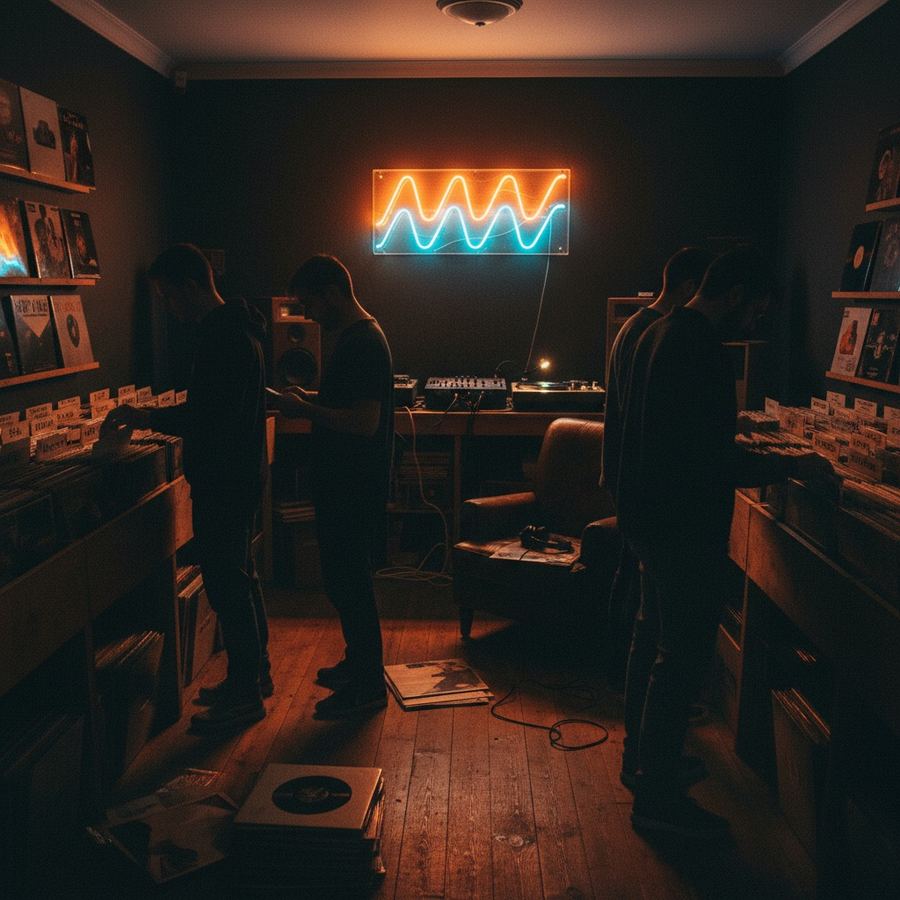
In underground electronic music, the label is often more important than the individual release. Labels function as curatorial frameworks and community hubs. When you trust a label, you can buy a record unheard and know that someone with taste has vetted it. That system of trust is the underground's alternative to the algorithm.
L.I.E.S. (Long Island Electrical Systems), founded by Ron Morelli in New York, became one of the defining labels of the 2010s underground. The roster included Legowelt, Terekke, and Bookworms. Lo-fi production, hand-stamped sleeves, limited pressings. The music ranged from acid to noise to deep house, unified by attitude rather than genre. L.I.E.S. proved that a label could build a global following without any infrastructure the industry considers necessary.
Lobster Theremin, launched by Jimmy Asquith in London, served a similar function with a cleaner aesthetic. Small runs, strong curation, emphasis on underexposed artists. Dekmantel, based in Amsterdam, operates at a larger scale but maintains credibility through catalog depth and its festival programming. Optimo Music, the label arm of the legendary Glasgow club night run by JD Twitch and JG Wilkes, releases records that refuse genre classification. Disco, post-punk, industrial, and unidentifiable hybrids share the same imprint.
Numbers, also from Glasgow, bridges underground dance music and UK bass. Early releases from Rustie and Hudson Mohawke helped define a sound that was raw, rhythmically complex, and rooted in club culture. Our label focus series goes deeper into these imprints.
Artists Who Define the Space
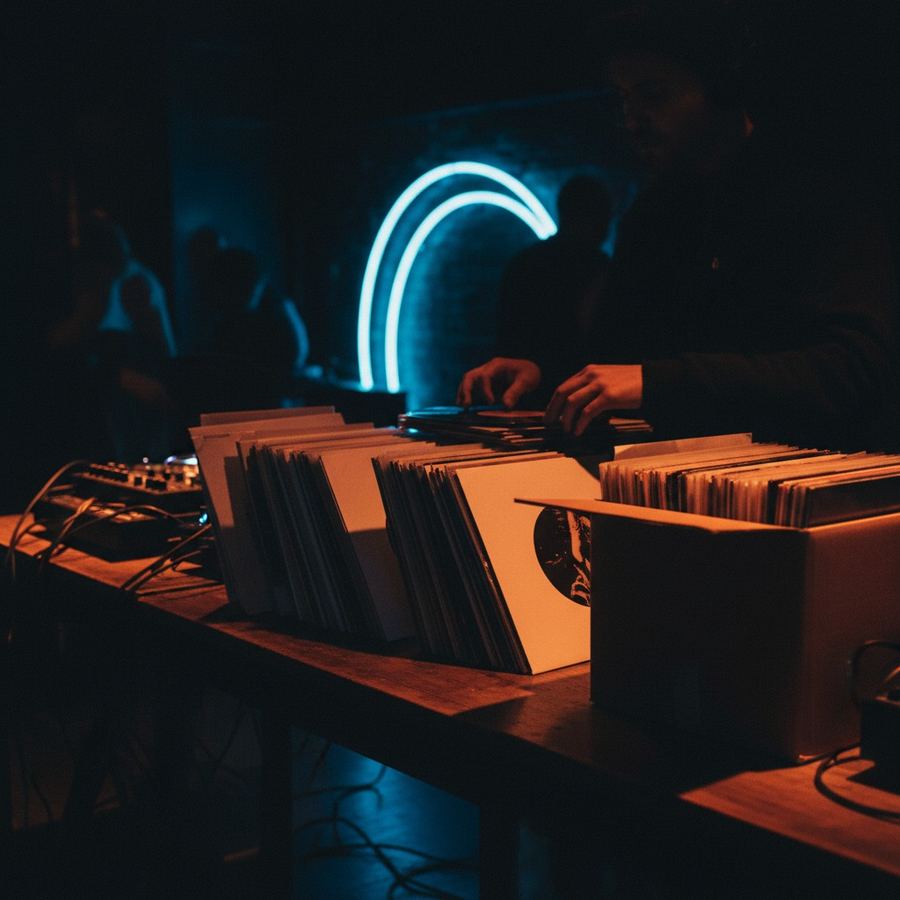
Underground artists tend to prioritize catalog over singles. They play venues that hold hundreds, not thousands. They build audiences through the accumulation of quality rather than the mechanics of promotion.
Objekt, the Berlin-based producer TJ Hertz, makes records that reward repeated listening. His album "Flatland" on PAN is demanding but rewarding. Shackleton, whose productions on Skull Disco and Woe to the Septic Heart combine Middle Eastern percussion, sub-bass, and ritualistic intensity, represents the underground at its most singular. Pender Street Steppers, from Vancouver, make warm, sample-based house and disco that sounds like friends passing records back and forth in a room.
These artists do not occupy the same genre. What they share is independence, releasing through channels they control or trust and letting the audience find its way to them.
The Infrastructure of Discovery
Finding underground music requires different tools than finding mainstream music. Bandcamp remains the most important platform for independent electronic music, letting artists sell directly to listeners and retain a meaningful share of the revenue. Discogs functions as both a marketplace and a database, particularly for vinyl, supporting the small sellers who keep underground records in circulation.
Physical shops, where they still exist, remain vital. Clone in Rotterdam, Hard Wax in Berlin, Phonica in London. These are curatorial institutions where staff recommendations carry the same weight as a trusted label's output. Small distributors like Rubadub, Boomkat, and Juno connect labels to listeners in ways that streaming platforms cannot replicate. Our discovery guide covers these channels in practical detail.
Why Underground Matters to This Platform
Unchained Radio exists because of the underground. Every mix we program, every session we host, every playlist we build draws on music that was made outside the commercial mainstream. We are not opposed to popular music. We are simply more interested in music that was not designed to be popular, music that was made because someone had an idea and followed it without asking whether it would perform well on a metrics dashboard.
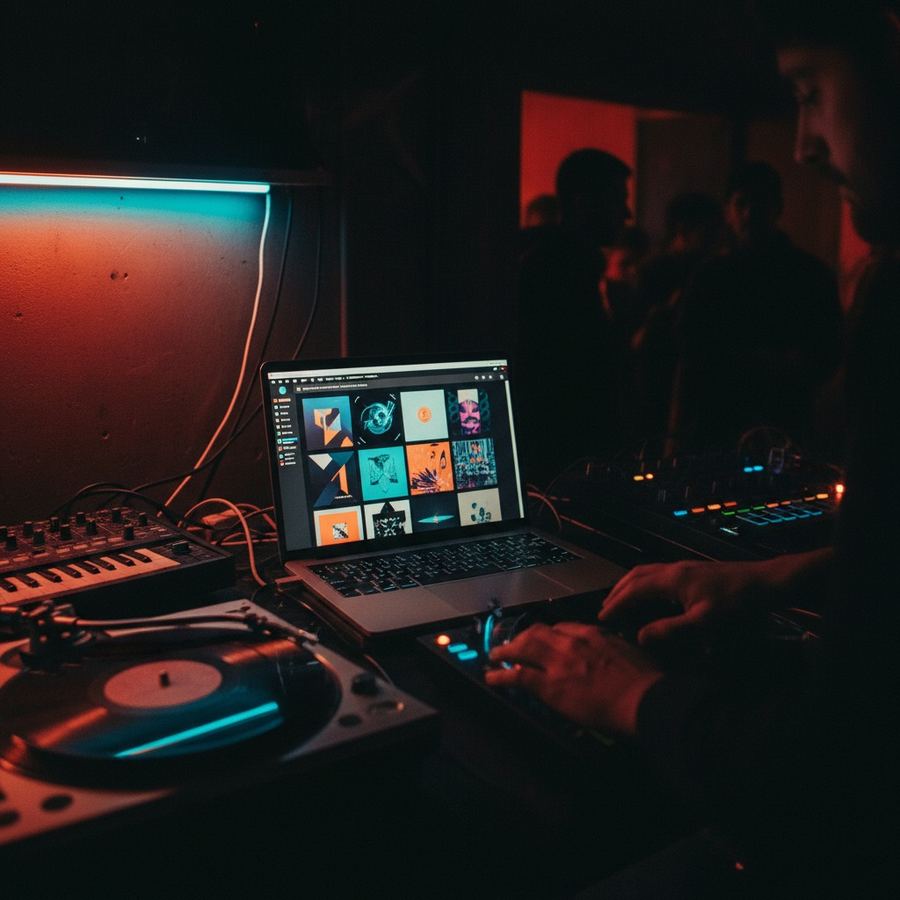
The underground is not a fixed location. It shifts as the infrastructure around it changes. What remains constant is the principle: music made with creative autonomy, distributed through independent channels, and discovered through human networks of trust and taste rather than automated recommendation. That principle is what connects the house sessions to the electro programming to the late-night picks on this platform.
If you are new to underground electronic music, the beginner's guide and the glossary are practical starting points. The scene notes series profiles the small communities keeping this culture alive in specific cities and regions. And the underground tracks feature is updated regularly with records worth your time. The stream is live. The music is there. All it needs is someone willing to listen.