Electro is one of the most misunderstood words in electronic music. It has been attached to everything from Kraftwerk to Swedish House Mafia. On Unchained Radio, electro means something specific: machine-driven music built on the Roland TR-808 drum machine, typically in the 125-135 BPM range, drawing from synth-funk, early hip-hop production, and the cold precision of European electronic composition. It is not electronica. It is not EDM. It is its own lineage, and one of the most vital corners of underground dance music.
The 808 as Instrument
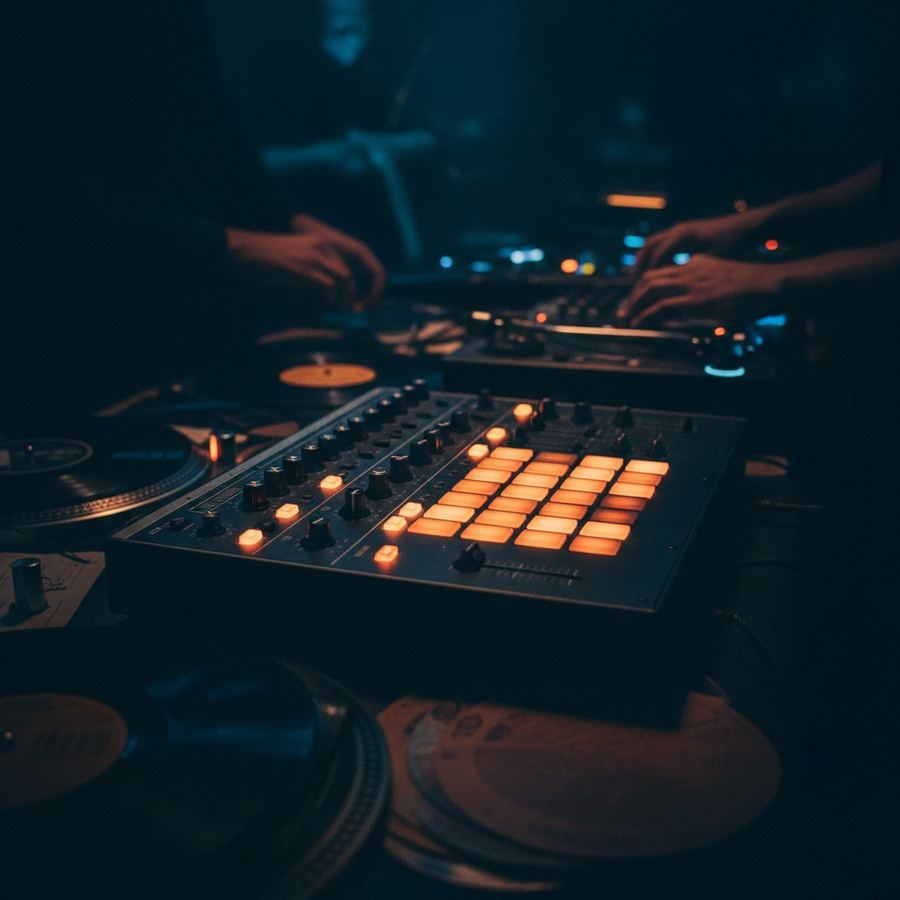
Every genre has a defining instrument. For electro, it is the TR-808. The machine was a commercial failure when Roland released it in 1980, but producers in Detroit, New York, and Miami heard something in those synthetic kicks, snares, and cowbells that the market missed. They heard the future.
Afrika Bambaataa and the Soulsonic Force released "Planet Rock" in 1982, fusing the 808 with Kraftwerk melodies, and electro had its founding document. Cybotron, the Detroit project of Juan Atkins and Rick Davis, pushed it toward something colder with tracks like "Clear" and "Cosmic Cars." Mantronix took the rhythmic complexity further. Egyptian Lover leaned into the funk. Each approach shared the same skeleton: that dry, punchy, unmistakably synthetic drum sound carrying everything forward.
The Drexciya Mythology
No conversation about electro is complete without Drexciya. The Detroit duo of James Stinson and Gerald Donald created a body of work between 1992 and 2002 that remains unmatched. Their concept, an underwater civilization descended from pregnant African women thrown overboard during the slave trade, gave the music a narrative depth that most electronic music never attempts. "Bubble Metropolis," "Digital Tsunami," "Aqua Worm Hole" are productions where the 808 is used with a rhythmic sophistication that connects directly back to funk while sounding like nothing else on earth.
DJ Stingray, a close associate of the Drexciya project, carries that Detroit electro tradition forward with a relentless touring schedule and a production style that emphasizes speed, density, and physical impact. His mixes are lessons in programming discipline. If you want to understand the current state of Detroit electro, his work is the starting point.
European Cold Circuits
Electro crossed the Atlantic early and found a second home in Europe, particularly in the Netherlands, Germany, and the UK. The Dutch scene, centered around the Hague, produced a concentration of talent that reshaped the genre.
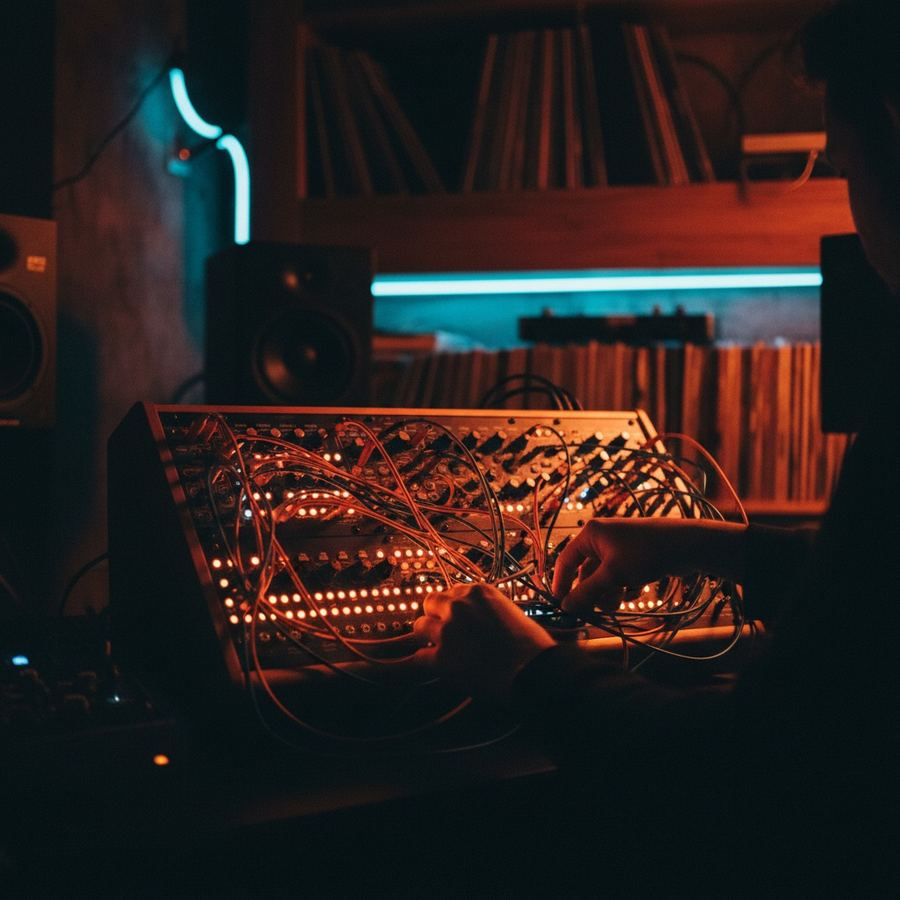
Legowelt is the most prolific figure in that scene. Danny Wolfers, recording under dozens of aliases, has released hundreds of tracks, but his core work sits squarely in the 808 tradition. Albums like "The Teac Life" and his Smackos releases are essential. His home studio approach, built on vintage hardware and disregard for production trends, gives the music a character that software presets cannot replicate.
Helena Hauff, based in Hamburg, emerged as one of the most compelling selectors and producers in electro. Her sets are intense and technically precise, built on deep genre knowledge. Her album "Qualm" on Ninja Tune applies EBM and industrial textures to an electro framework. DMX Krew, the UK producer Ed Upton, has been making machine funk since the mid-1990s. His output on Rephlex, Breakin Records, and his own label is vast and consistently engaging.
The Hacker, Radioactive Man, and the Harder Edge
The Hacker, from France, represents the point where electro meets EBM and body music. His productions have a rhythmic aggression and a melodic bleakness that connects to the industrial tradition without losing the dancefloor. His compilations and label work for Zone and Dark Entries have been important in mapping electro's darker territories.
Radioactive Man, the project of Keith Tenniswood (also one half of Two Lone Swordsmen with Andrew Weatherall), makes electro that emphasizes bass weight and low-end pressure. His releases on Asking For Trouble sit where electro and acid techno share a border. These artists represent the genre's harder edge, and they appear regularly in our programming. The house vs electro feature explores how these sonic territories overlap and diverge.
Labels Keeping the Signal Alive
Clone, the Rotterdam-based operation, has been one of electro's most important supporters for decades. Sub-labels like Clone Aqualung Series and Clone Classic Cuts function as an ongoing archive of the genre. Creme Organization, also Dutch, ran for years as a crucial outlet for raw, lo-fi electro.
Solar One Music, out of New York, connects Detroit and European traditions. CPU Records, run by Chris Smith from the UK, has built a catalog of precise electro releases that prioritize musicality over brute force. Our independent label focus goes deeper on imprints like these.
Finding Electro on Unchained Radio
Electro sessions on this platform are programmed to reflect the genre's range. A set might move from Drexciya's aquatic funk to Helena Hauff's industrial intensity to Legowelt's basement analog warmth, all connected by the 808's rhythmic thread. The live stream regularly features dedicated electro blocks, and the mixes archive includes recorded sessions from selectors who specialize in the sound.
If you are coming from a house background, electro will feel faster and more angular but no less grooved. If you are new to underground electronic music entirely, the glossary and beginner's guide will help orient you. And if you are already deep in the crates, the underground picks regularly feature electro selections worth tracking down. The machines are running. Tune in.