House music on Unchained Radio is not the house music that gets festival mainstage billing. The house we program has roots in Chicago basements, Detroit lofts, and New Jersey garage parties. It is built on repetition, tension, and release. It rewards attention. And it does not need a drop to justify its existence.
This page is an introduction to what house means on this platform, and a map to the records, labels, and selectors that define the sound we care about.
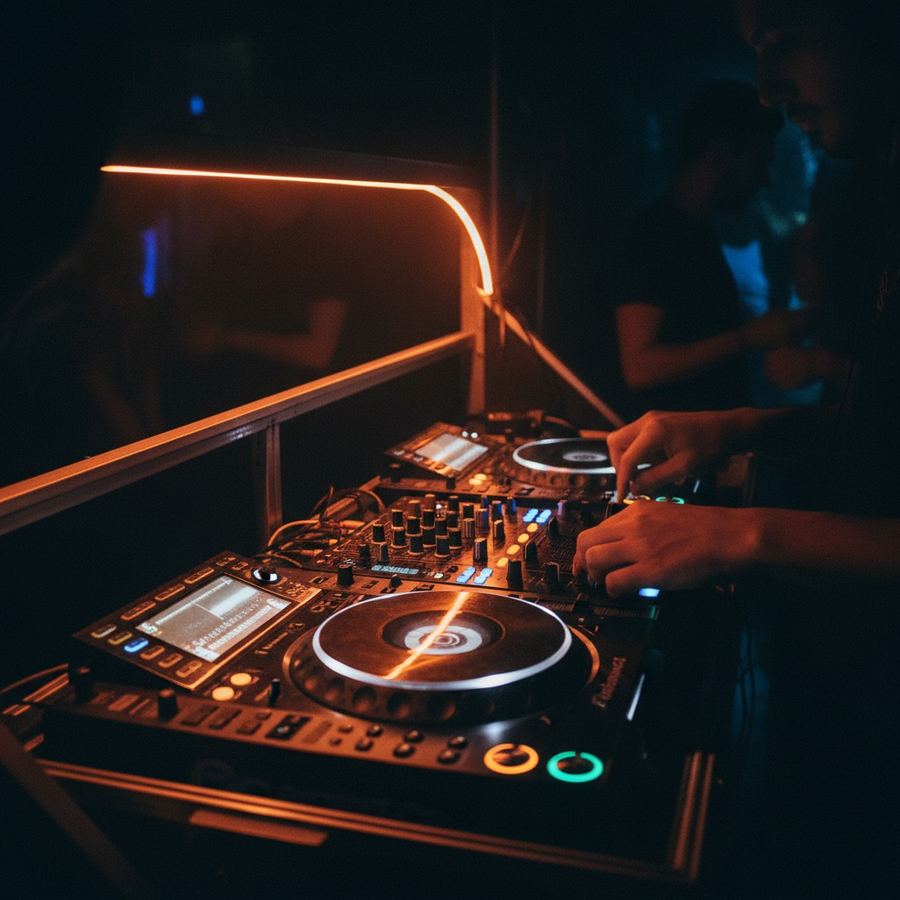
The Roots Still Matter
You cannot talk about house music honestly without starting in Chicago. The Warehouse, where Frankie Knuckles built the blueprint. Ron Hardy at the Music Box, playing tracks so hard and so raw that the tapes from those nights still sound dangerous decades later. Larry Heard, who as Mr. Fingers recorded "Can You Feel It" on a drum machine and a synthesizer and accidentally created one of the most important records in dance music history. That track still works on any floor, at any hour. It is a standard for a reason.
From Chicago, the sound moved outward. Marshall Jefferson pushed the arrangements further. Phuture and DJ Pierre introduced the acid line, running a Roland TB-303 through distortion and letting the machine scream. These were functional records made for specific rooms by people who understood what a crowd needed at 3am on a Saturday.
The Deep House Lineage
Deep house is the branch of the family tree that Unchained Radio returns to most often. The tempo sits comfortably between 118 and 124 BPM. The rhythms are patient. The chord progressions borrow from jazz and gospel without becoming pastiche. And the best of it carries an emotional weight that more aggressive styles struggle to match.
Kerri Chandler is the standard-bearer. His catalog is enormous, but records like "Bar A Thym" and his countless dubplate specials represent a production philosophy where every element serves the groove. Nothing is decorative. Moodymann, out of Detroit, takes a different approach. His records are loose, sample-heavy, and unapologetically strange. "Shades of Jae" is a masterclass in atmosphere. Theo Parrish, also Detroit, builds tracks that feel hand-assembled, with a texture and warmth that digital production rarely achieves. His "Falling Up" remains essential listening.
This is the lineage that connects to what we play. If you have not spent time with these artists, our artist profiles are a good place to start, and the mixes archive features long-form sessions built around their records.
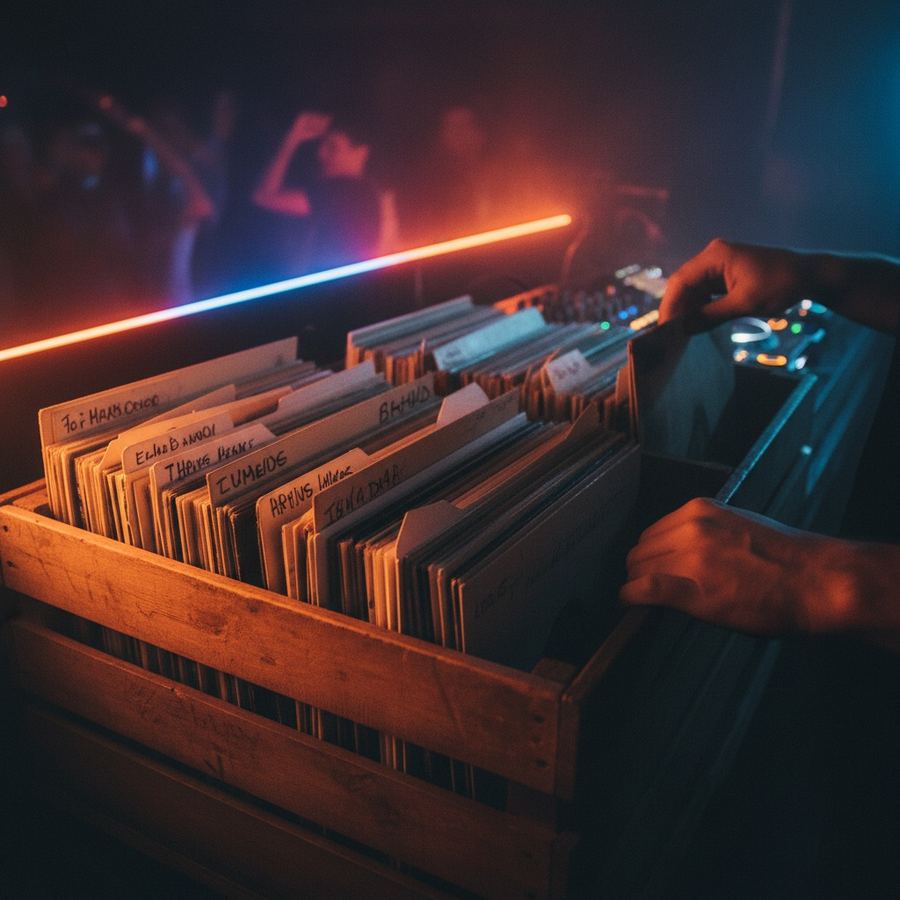
Modern Deep House Worth Hearing
The contemporary deep house landscape is wide, and not all of it is interesting. But the producers who matter tend to share a commitment to musicianship and arrangement over gimmick.
Session Victim, the German duo, make records that feel like they could have been released in any decade since 1990. Their album "Listen to Your Heart" is a complete statement. Motor City Drum Ensemble has a gift for finding grooves that are simultaneously simple and unpredictable. His "Raw Cuts" series, built on edits and re-interpretations, is a blueprint for engaging with source material respectfully.
Palms Trax brought a melodic warmth back to house music without sacrificing depth. And Hunee, whose sets and compilations for Rush Hour have introduced thousands of listeners to records they would never have found otherwise, embodies the digging culture that this platform exists to celebrate.
Labels That Define the Sound
Labels are the infrastructure of underground music, and certain imprints have been consistent enough to function as quality filters. Rush Hour, based in Amsterdam, operates both as a label and a distribution hub. Their catalog ranges from deep house to jazz to African electronic music, but the curatorial standard never slips. Clone, also Dutch, covers a wider electronic spectrum but their house releases are reliably excellent.
Uzuri Recordings, run by Patrice Scott out of Detroit, represents the minimal, hypnotic end of deep house. Visions Inc, also Detroit-rooted, carries forward the city's specific approach to rhythm and space. These are not major operations. They are small teams, often one or two people, pressing records because the music demands it. Our label focus series goes deeper on imprints like these.
What House Means Here
On Unchained Radio, house sessions are programmed with intention. We think about sequencing, about how one track leads into another, about the arc of a two-hour mix. The tempo stays in that 118-126 BPM range where the rhythm is insistent but never aggressive. The selections favor depth over novelty.
If you are new to this corner of electronic music, the beginner's guide provides context, and our glossary of dance music terms can help with the vocabulary. If you already know the territory, the playlists section includes hand-built selections organized by mood and tempo. Our guest mix series regularly features selectors whose house sets deserve wider audiences.
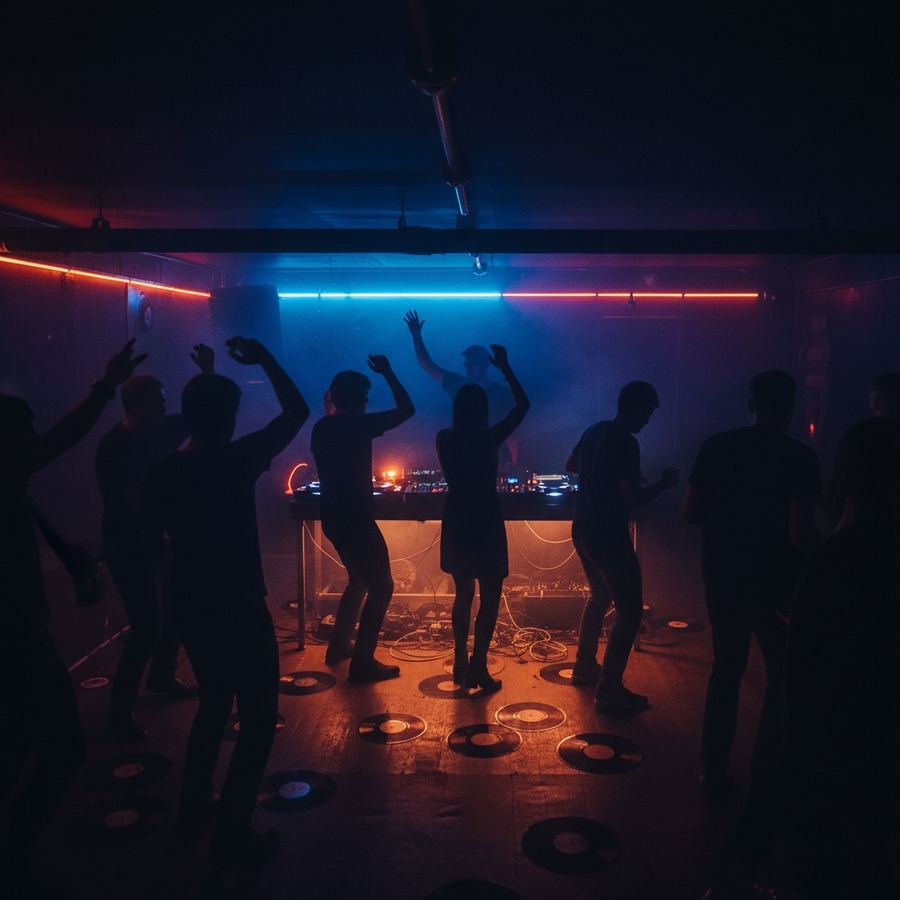
House is not a trend cycle. It is a living tradition, constantly renewed by producers and selectors who understand that the four-on-the-floor kick drum is an invitation, not a formula. The music we program here reflects that. It is functional, emotional, and built to last longer than any playlist algorithm's attention span. Start with the live stream, or dig into the latest underground picks. The floor is open.