In 2011, Femi Adeyemi launched NTS Radio from a small studio in Dalston, East London. No corporate backing, no advertising model, no interest in competing with the mainstream. It simply broadcast music that its community cared about, live from a room above a shop. Fifteen years later, NTS has studios in London, Manchester, Los Angeles, and Shanghai, a 24-hour schedule, and hundreds of resident DJs.
NTS is the most visible success story of a broader movement: the return of niche internet radio as a serious force in music culture. After a decade of streaming platform dominance, small stations with specific taste are growing again. They are not competing with Spotify on scale. They are competing on something scale cannot buy: specificity, conviction, and the irreplaceable sound of a human being sharing music because they believe it matters.
The First Wave: SHOUTcast and the Wild West
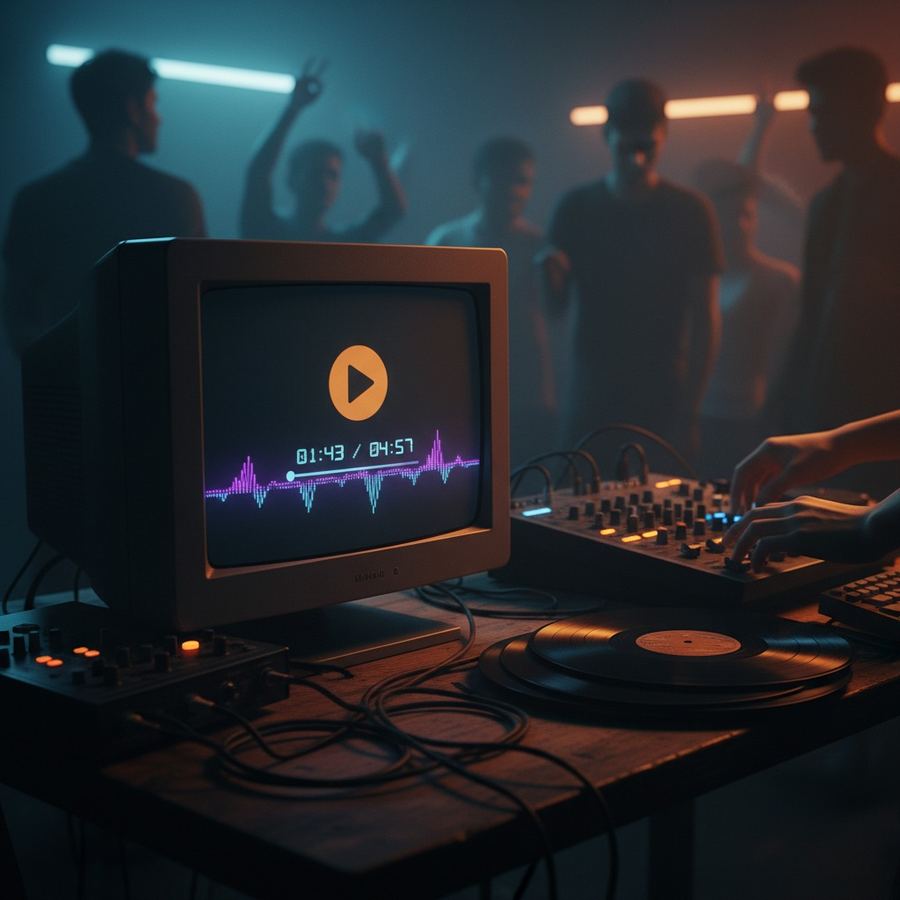
Internet radio is not new. The first wave began in the late 1990s when Nullsoft released SHOUTcast, a free streaming server that let anyone broadcast to the world. By the early 2000s, thousands of stations covered every genre. Electronic music was well represented: Digitally Imported (1999), Bassdrive (1999), and countless smaller operations streamed trance, drum and bass, house, and techno to a global audience.
The technology was primitive. Streams ran at 128 kbps if you were lucky. Buffering was constant. The interfaces were bare-bones HTML pages with a "Listen" button and maybe a chat room. But the culture was vibrant. A kid in rural Ohio could tune into a pirate jungle stream from London. A producer in Berlin could hear South African house music for the first time through a station run by someone in Johannesburg. It was messy, decentralized, largely unmonetized, and deeply democratic.
The Streaming Platform Takeover
Then the platforms arrived. Spotify launched in 2008. Apple Music followed in 2015. Soundcloud pivoted toward a commercial model. The promise was seductive: every track ever recorded, available on demand, organized by algorithms that would learn your taste.
For a while, it seemed like internet radio might become obsolete. Why tune into a stream where you cannot control what plays when you have 100 million tracks at your fingertips? Many first-wave stations shut down or faded into irrelevance. The SHOUTcast directory became a ghost town.
But something was lost. The streaming platforms offered access but not context. They gave you everything and told you nothing. The editorial layer, the human intelligence that shaped a radio show into a coherent experience, was replaced by algorithmic playlists optimized for engagement metrics. As we have explored in our piece on why human curation matters, the result was a flattening of the listening experience. More music, less meaning.
The Second Wave: NTS and Beyond
The second wave of internet radio began as a direct response to that flattening. NTS launched in 2011. Rinse FM, which had operated as a pirate station since 1994, moved to a legal FM license in 2010 and simultaneously expanded its online presence. Lot Radio launched in 2016 from a glass-walled studio in Williamsburg, Brooklyn, broadcasting live to the street and the internet simultaneously. Dublab, based in Los Angeles, had been running since 1999 but found a second wind as the streaming era made its mission more relevant.
What these stations share is editorial identity. NTS is eclectic by design, hosting shows that range from West African highlife to Japanese noise to classic Chicago house, but the eclecticism is curated. There is a commitment to music that is interesting rather than popular. Rinse FM has always been rooted in UK club culture, with particular strength in grime, UK garage, and jungle. Lot Radio leans toward the DJ-as-selector model, emphasizing long-form sets and deep crate-digging.
Each station has a distinct personality recognizable within minutes of tuning in. In a world where Spotify's playlists converge on the same aesthetic middle ground, a station with a strong point of view is a radical proposition. It says: we are not for everyone, and that is exactly what makes us valuable.
What Makes a Good Niche Station
Not every internet radio station is worth your time. The ones that endure share several characteristics. The first is specificity. A station that tries to be everything to everyone is just a worse Spotify. The best niche stations have a clear editorial focus, whether a genre, a scene, a region, or a shared aesthetic sensibility. You should be able to describe what a station sounds like in two sentences. If you cannot, the identity is not strong enough to survive.
Consistency is the second factor. A station needs to show up regularly. The schedule does not have to be 24/7, but listeners need to know when they can tune in. This is where many small stations fail. They launch with enthusiasm, run a few weeks of great programming, and go silent. The stations that last maintain their schedules through the inevitable periods when the work of broadcasting feels more like a chore than a passion.
Editorial independence is the third characteristic. The best niche stations are not beholden to labels, promoters, or advertisers. They play what they want to play. This independence is what gives the curation its credibility. When a station plays a track, you know it is because someone genuinely believes in it, not because a PR company sent an email.
The guest mix tradition is also central. By inviting external DJs to contribute sets, stations expand their range without diluting their identity. A well-curated guest series introduces listeners to new selectors while maintaining the station's editorial vision.
The Economics of Small Radio
The financial model for niche internet radio is not glamorous. Most stations run on listener donations, Patreon subscriptions, occasional grants, and volunteer labor. The economics only work if the people involved treat the station as a labor of love.
This is both the greatest strength and the greatest vulnerability of the model. No commercial pressure means honest curation. But it also means perpetual fragility. When Red Light Radio closed in Amsterdam in 2020, it was a reminder that even respected stations can disappear when the economics stop working.
Some stations have found sustainable middle paths. NTS attracts brand partnerships that do not compromise its editorial independence. Rinse FM operates with a broadcast license that provides institutional stability. Smaller stations rely on Patreon, offering subscribers exclusive content in exchange for monthly support. The model is not scalable in the way venture capital demands, but it does not need to be. These are cultural institutions, and cultural institutions have always survived on patronage, volunteerism, and stubbornness.
Why This Matters Now
We are in a moment where the limitations of the streaming platform model are becoming impossible to ignore. Spotify's algorithmic playlists are converging. Apple Music's curation is safe and predictable. The discovery mechanisms built into these platforms are optimized for engagement rather than exploration. For anyone who cares about electronic music as a living culture rather than a content category, the need for alternatives is urgent.
Niche internet radio is one of the best alternatives. It provides something no streaming platform can: a human voice making editorial choices in real time, sharing music with conviction and context, building a community around trust in the station's taste.
The independent broadcasting movement is bigger now than at any point in its history. New stations are launching on dedicated web streams, Mixcloud Live, and Twitch. A laptop, a mixer, a microphone, and an internet connection are enough to reach listeners anywhere in the world.
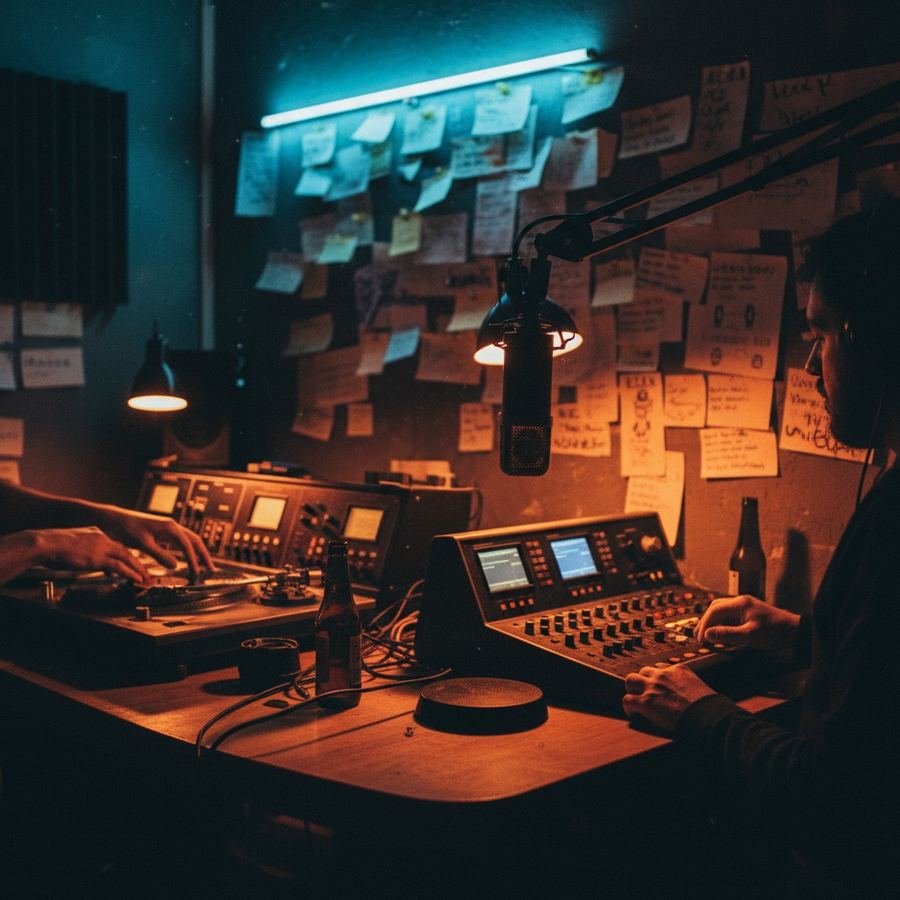
What those stations need, more than technology, is the thing that technology cannot provide: a point of view. A reason to exist that goes beyond "we also play music." The stations that will matter in the next decade are the ones that know exactly what they sound like, why they sound that way, and who they are for. They are the ones that understand, as we do at Unchained Radio, that curation is not a feature. It is the whole product.