A guest mix is one of the most revealing things a DJ can produce. More than a live set, which responds to a room and a crowd, a guest mix is a studio document. It is recorded in private, edited if desired, and submitted as a deliberate artistic statement. It says: this is what I sound like when I have total control. That combination of freedom and accountability is why the format has become central to how electronic music selectors build reputations, demonstrate range, and connect with audiences they will never see in person.
The guest mix format has been around for decades in various forms, but its role in the current landscape is more important than ever. It is the calling card, the audition tape, and the portfolio. If you make mixes or want to, understanding how this culture operates will save you time and missteps. If you just listen to them, knowing the machinery behind the format will change how you hear them.
What a Guest Mix Actually Is
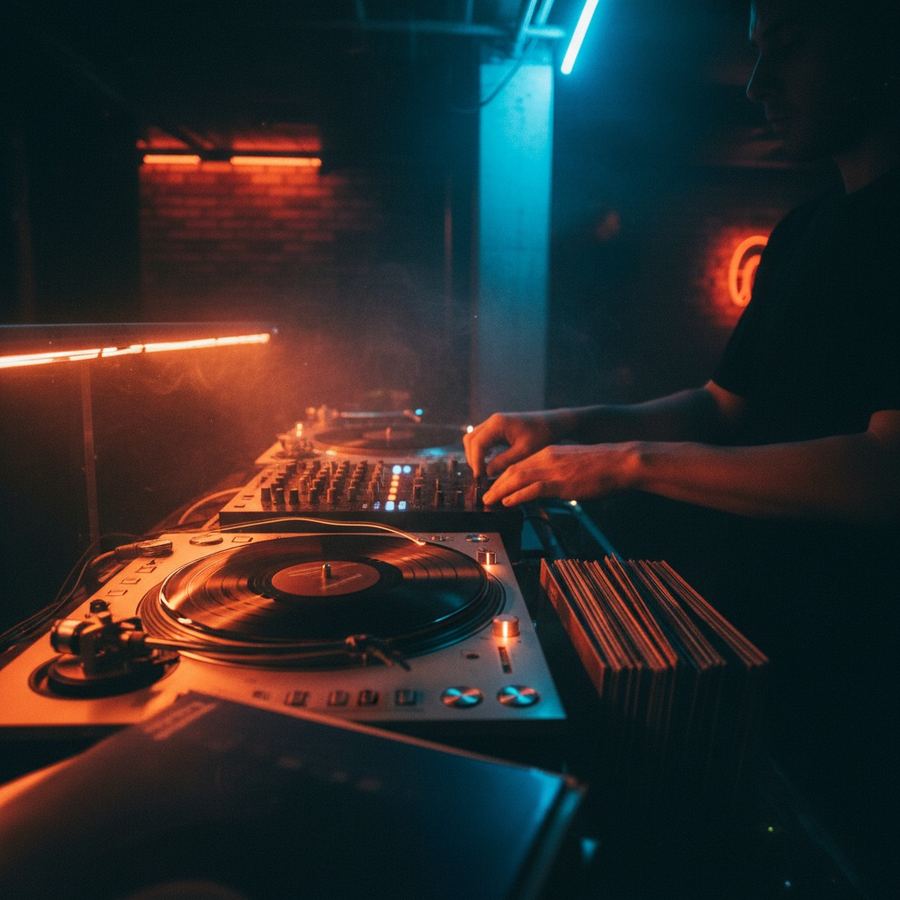
The mechanics are straightforward. A platform, whether that is a radio station, a podcast series, a YouTube channel, or a website, invites a DJ to record a set. The DJ records it at home or in a studio, typically between 60 and 90 minutes. The finished mix is delivered as an audio file along with a tracklist, a short biography, and sometimes cover artwork. The platform publishes it, promotes it, and archives it.
Within those constraints, the range of approaches is enormous. Some DJs treat a guest mix as a peak-time club set captured in studio conditions. Others play slower, weirder music than they would in front of a crowd. Some build narrative arcs across tempos and genres. Others maintain a single mood with relentless focus. The format imposes almost no rules, which means the DJ's choices reveal everything.
Sixty minutes is the minimum to demonstrate sequencing skill. Ninety is the standard for serious platforms. The best guest mixes use their runtime the way a good film does: nothing wasted, no padding, every transition in service of the whole.
The Platforms That Made Guest Mixes a Format
Several platforms elevated the guest mix from a casual exchange into a recognized format with its own standards and audience expectations.
The BBC Essential Mix, running since 1993, is the grandfather. Two hours, broadcast on Radio 1, available globally. An Essential Mix invitation remains one of the most significant career milestones for a DJ. The archive includes early career sets from artists who became defining figures.
The Resident Advisor podcast series, running from 2006 to 2020, was arguably the most influential mix series of its generation. Free, accessible, and consistently high quality. The numbering system (RA.001, RA.002) became a credential. Getting an RA podcast meant something.
FACT Magazine's mix series extended beyond strictly electronic music. NTS commissions and archives guest sessions that function as standalone mixes. Mixcloud provides infrastructure for smaller series and independent DJs to publish mixes with proper tracklist metadata.
On a smaller scale, platforms like Unchained Radio and dozens of independent stations and blogs run their own guest mix series. These smaller outlets are often where DJs get their first platform exposure, and for listeners, they are frequently where the most interesting selections appear because the DJs have something to prove. Our own guest mix series operates on this principle.

The Unwritten Etiquette
Guest mix culture has rules that nobody publishes but everyone is expected to know. Violating them will not get you banned, but it will mark you as someone who does not understand the ecosystem.
Tracklists are not optional. Every serious platform expects a full tracklist with artist name, track title, and label for every selection. Some DJs resist this, arguing that mystery is part of the experience. Platforms that care about curation disagree. A tracklist is a service to listeners who want to find the music, and to the artists and labels whose work is being featured. Withholding it is not mystique. It is laziness.
Exclusivity has levels. Some platforms expect that a mix you record for them will not appear anywhere else. Others are more relaxed. Before recording, clarify expectations. If a platform asks for exclusivity, respect it. Recording the same mix for three different outlets simultaneously is the fastest way to burn bridges in a scene that operates on trust.
Promotion is reciprocal. When your mix goes live, promote it. Share it, talk about it, engage with the platform's audience. The platform is giving you access to their listeners. Ignoring the release after submission signals that you only care about the credential, not the relationship.
Do not front-load your own unreleased tracks. A guest mix that is primarily a showcase for your unreleased productions, dressed up as a DJ set, is transparent and unwelcome. One or two personal tracks in an otherwise curated set is fine and expected. Seven out of twenty is a press kit pretending to be a mix.
Respect the platform's character. If a station or series is known for deep, slow selections, do not submit a 140 BPM techno assault because you think it will stand out. It will stand out, but for the wrong reasons. Study what the platform has published before and record something that fits while still sounding like you.
Why Mixes Reveal More Than Individual Tracks
A single track tells you what a producer can build. A mix tells you how a DJ thinks. The selection of tracks, their order, the transitions between them, the pacing, the arc from opening to close: these are compositional decisions that reveal taste, knowledge, and judgment in a way that no individual track can.
Consider two DJs who both play deep house. One opens with an ambient intro, builds gradually through warm melodic tracks, peaks with a raw, percussive floor-filler at the 50-minute mark, then eases back into something contemplative for the last 20 minutes. The other opens at full intensity and maintains that energy for 75 minutes straight. Both approaches are valid. Both tell you something specific about how each DJ understands music and its relationship to time.
Mixes also reveal digging depth. A selector who drops an obscure 1994 white label between two contemporary tracks is demonstrating a knowledge base that took years to build. That context, the ability to connect records across decades, labels, and geographies, is what separates a DJ from someone who just plays new releases in sequence. Our feature on what makes a great session explores this quality in more detail.
How to Evaluate Whether a Platform Is Worth Your Time
If you are a DJ considering where to submit or accept invitations, not all platforms are equal. Here is what to look for.
Archive quality. Does the platform maintain an accessible archive? A mix on a platform with no archive is a mix that disappears. The best platforms keep every mix available with tracklists and metadata intact.
Curation standards. Listen to the last ten mixes published. Are they consistently strong? If quality varies wildly, the platform is not selecting carefully.
Audience engagement. A platform with 500 engaged listeners is more valuable than one with 50,000 passive followers who never click play.
Promotion effort. Does the platform actively promote each mix, or just upload and move on? A platform that does not promote your mix is asking you to do their marketing while they keep the content.
Longevity and reputation. Series running for years have usually earned their audience through consistent effort. If unsure, check whether DJs you respect have contributed.
Making the Most of the Format
If you record guest mixes, treat each one as a distinct project. Do not recycle the same set across multiple platforms. Do not record a mix in ten minutes and call it done. Spend time with your selections. Record it more than once if the first take does not feel right. The mix will exist in an archive long after you have moved on to different records, so make it something you will still be proud of in five years.
If you listen to guest mixes, let them play in full. The format is designed for extended listening. Skipping around defeats the purpose. Put on a mix, do something else with your hands, and let the DJ take you through their world for an hour. That trust between listener and selector is what the whole culture is built on.
For those interested in submitting to Unchained Radio, our submission guidelines cover the specifics. The glossary of dance music terms may help if the vocabulary around mixes and selection feels unfamiliar. And for a broader understanding of where online radio fits in this ecosystem, our piece on why curated radio still matters puts the guest mix format into its larger context.