Commercial radio serves advertisers. Public radio serves institutions. Community radio serves the people in its signal range who are not served by either. That distinction sounds simple, but it has shaped the trajectory of underground music in ways that mainstream histories rarely acknowledge. For electronic music specifically, community radio has been one of the few broadcast environments where experimental, challenging, and genuinely underground programming can exist without justifying itself to a sales department.
This piece covers what community radio actually is, how it intersects with electronic music, how internet-only stations have inherited the community radio model, and why the whole ecosystem matters more than it gets credit for.
What Community Radio Means
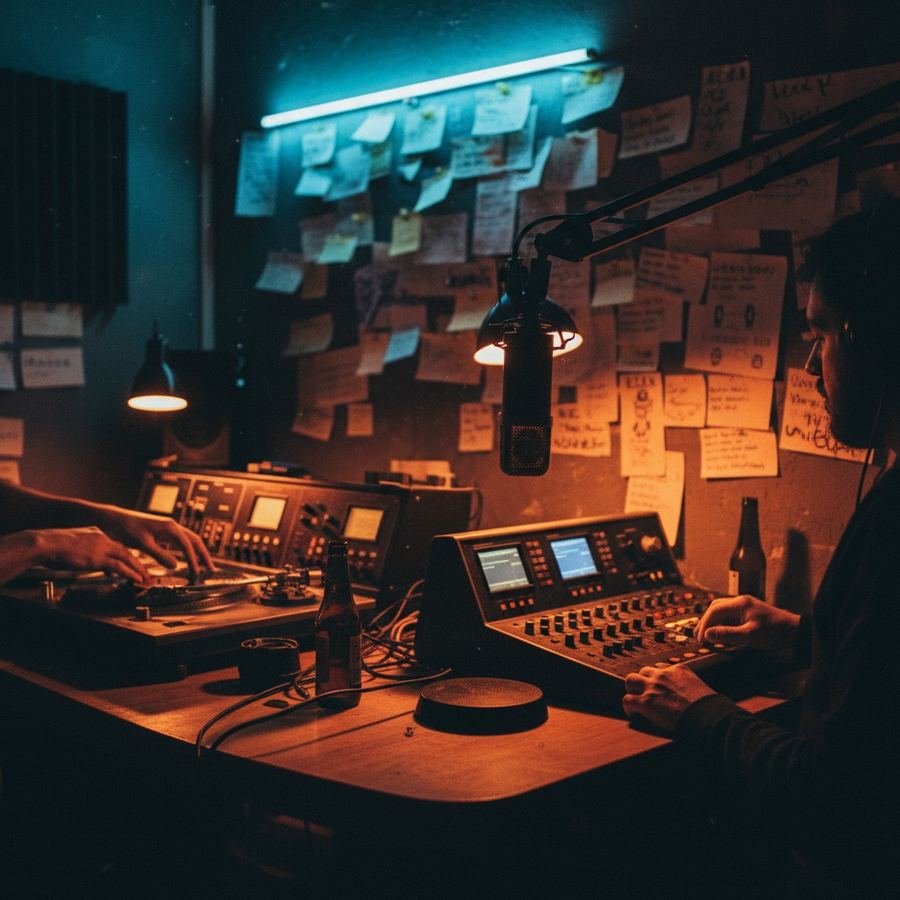
In the United States, community radio typically operates under Low Power FM (LPFM) licenses issued by the FCC. These are low-wattage stations, usually covering a radius of a few miles, run by nonprofit organizations. The programming is determined locally, often by volunteers, and the stations are prohibited from running traditional advertising. Funding comes from donations, grants, and underwriting, not commercials.
Other countries have their own frameworks. In the UK, community radio licenses were formalized in 2004 under Ofcom. In Australia, stations like 3RRR in Melbourne and FBi Radio in Sydney developed reputations rivaling commercial operators. In the Netherlands, a tradition of pirate broadcasting created the conditions for stations like Red Light Radio to emerge.
The common thread across all these models is independence from commercial pressure. A community station does not need to attract the largest possible audience to satisfy advertisers. It needs to serve its community, however that community is defined. For some stations, that means local news and talk. For others, it means music programming that no commercial station would touch.
Where Community Radio Meets Electronic Music
The relationship between community radio and electronic music is older and deeper than many listeners realize. College and community stations were among the first legal US broadcasters to play house, techno, and electronic music. While commercial FM was locked into rigid format clocks, community stations could hand a volunteer DJ a two-hour slot and let them play whatever they wanted.
WFMU in Jersey City is perhaps the most celebrated example. Operating since 1958 and listener-supported since 1994, WFMU has been a home for freeform programming that defies categorization. A show might move from field recordings to acid house to avant-garde composition in a single hour. That freedom is the product of a community model that does not answer to format consultants.
KEXP in Seattle began as the University of Washington's student station before growing into a nationally recognized music institution. Before that growth, KEXP's electronic music programming was a lifeline for listeners in the Pacific Northwest who had no other broadcast source for the music they cared about.
Campus stations across North America have served a similar function at smaller scale. Many of the DJs who now host shows on NTS, Rinse, or independent internet stations got their first broadcast experience on a college station with a 50-watt transmitter and an audience of a few hundred. The training ground matters. Community radio teaches you how to program a show, how to speak on air, and how to curate for an audience rather than just yourself.
Internet-Only Stations and the Community Model
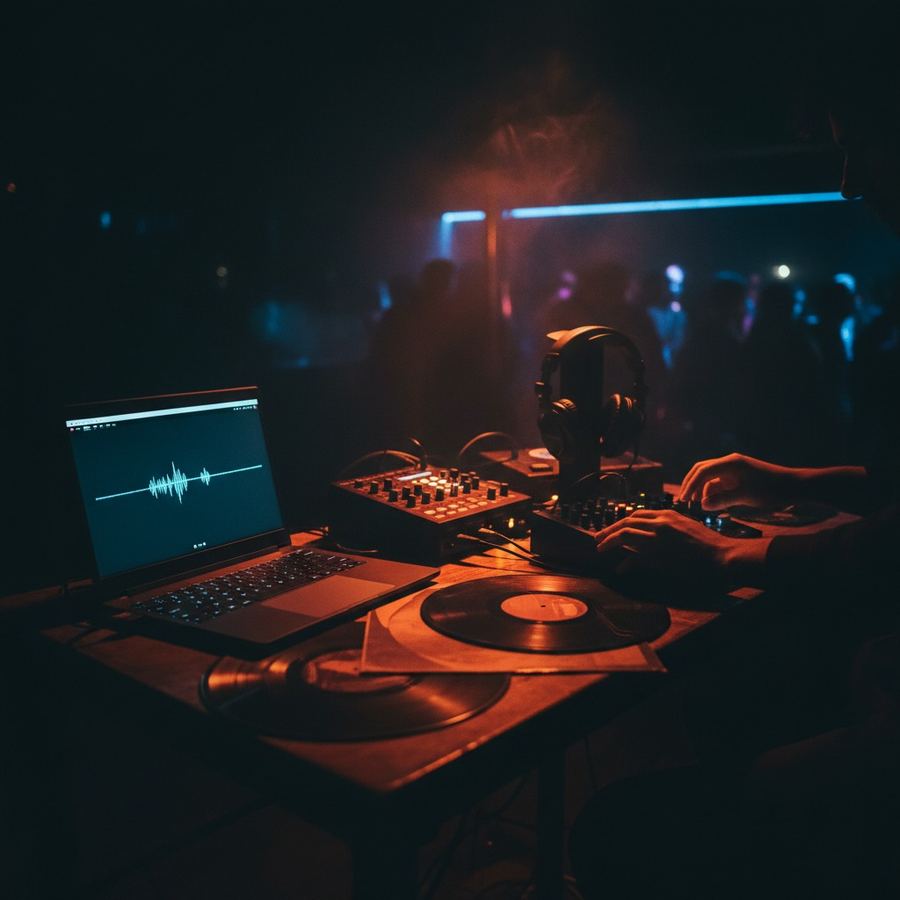
The internet removed the two largest barriers to community broadcasting: the cost of transmission equipment and the need for a government license. An LPFM license application in the US involves engineering studies, nonprofit formation, and a lengthy FCC review process. An internet radio station requires a computer, streaming software, and an internet connection. The result has been an explosion of online-only stations that serve the same cultural function as community radio without the regulatory overhead.
This is not to diminish the value of licensed community stations. The FM signal has a physical presence that internet streams do not. A community radio station that broadcasts over the air is embedded in its local geography in a way that an internet station, accessible from anywhere, is not. But for music communities that are geographically dispersed by definition, like underground electronic music, the internet-only model is not a compromise. It is a better fit.
NTS operates from studios in London, Manchester, Los Angeles, and Shanghai, but its audience is global. The Lot Radio has a physical presence in Brooklyn, but most listeners are elsewhere. These are community radio for communities defined by taste rather than location, with programming models that mirror the community tradition exactly.
Smaller community stations, like Petawawa Radio, demonstrate how local broadcasters can maintain an online presence that serves listeners well beyond their terrestrial signal range. These hybrid operations bridge the gap between traditional community broadcasting and the internet-native model, proving that local identity and global accessibility are not mutually exclusive.
Dozens of independent online stations operate at even smaller scale, run by one or two people with day jobs who broadcast because the music matters to them. These micro-stations are the direct descendants of the bedroom SHOUTcast operations of the early 2000s, but with better tools, better audio quality, and the accumulated knowledge of two decades of internet broadcasting. Our feature on niche internet radio profiles several of these operations.
Why Community Radio Matters for Music Discovery
The discovery function of community radio is structural, not incidental. Commercial radio discovers nothing. It plays what is already proven. Algorithms discover nothing. They recombine what is already tracked. Community radio, by giving airtime to hosts with deep knowledge and personal taste, creates the conditions for genuine discovery: a listener hears something they have never encountered, played by someone who can provide context and enthusiasm in real time.
For electronic music, this discovery function is irreplaceable. Hundreds of house, techno, and electro records are released every week on small labels with no promotional infrastructure. A community radio DJ who follows these releases and plays the best on air performs a curatorial service no other broadcast model supports.
The feedback loop matters too. When a DJ plays an obscure record, engaged listeners respond through chat, social media, or direct contact, validating the selection and encouraging deeper digging. This positive loop drives programming quality upward over time, the opposite of commercial radio's optimization for broadest appeal.
Our analysis of human curation versus algorithmic playlists examines this dynamic in detail. The short version: human curators improve with experience. Algorithms converge on averages.
The Volunteer Model
Most community radio stations, whether terrestrial or online, run on volunteer labor. Hosts are not paid, or are paid minimally. They show up because they care about the music and the platform. This model has obvious limitations: volunteer availability is unpredictable, quality varies, and burnout is a real risk. But it also produces something that paid programming rarely achieves: genuine passion as a programming standard.
A volunteer DJ who spends 15 hours preparing a two-hour show is doing it because the music matters personally. That investment shows. The selections are deeper, the sequencing more considered, and the on-air presence carries an authenticity that format radio cannot manufacture.
The volunteer model also keeps the door open for new voices. Commercial stations hire professionals. Community stations train enthusiasts. The DJ hosting a midnight slot playing records nobody has heard of might break the next important sound. It has happened before, repeatedly.
Electronic Music and Non-Commercial Airtime
Electronic music benefits from non-commercial airtime in ways other genres do not. Much of the best electronic music is instrumental, long, and structurally unconventional. A twelve-minute techno track with no vocals and a gradual build is superb for a club or focused home listening. It is impossible to program on a commercial station that hits advertising breaks every eight minutes.
Community and internet radio stations have no format clock. A host can play a twelve-minute track without cutting it short. They can let two tracks blend over a four-minute transition. They can dedicate an entire two-hour show to a single subgenre without concern that the audience will shrink, because the audience self-selected for exactly that content.
Philosophically, electronic music has always been at odds with commercial media. Its origins in Black and queer communities in Chicago and Detroit, its development through pirate radio, its emphasis on collective experience over individual stardom: these values align naturally with community broadcasting. The medium fits the music because both prioritize community over commerce.
For an overview of how online radio compares structurally to commercial FM, our online versus terrestrial comparison covers the technical and cultural differences. And if you are looking for a practical guide to finding and listening to community and independent stations, the beginner's guide to online radio is the place to start.
Community radio does not have the reach of commercial broadcasting or the recommendation power of streaming algorithms. What it has is trust, built over years of consistent, independent, human-driven programming. For the music that lives outside mainstream systems, that trust is everything.