There is a specific kind of DJ set that works perfectly at 2 AM in a dark room with a good sound system and completely fails as something you put on while answering emails. The inverse is also true: some of the greatest recorded mixes in electronic music history would be terrible in a club. They are too slow to build, too varied in genre, too interested in texture over impact. Understanding this distinction is not about ranking one kind of DJing above another. It is about recognizing that context changes everything, and that the skills required to hold a dancefloor for two hours are different from the skills required to hold a listener's attention for three.
The Peak-Time Problem
A great peak-time DJ set is designed around energy management in a physical space. The DJ reads the room, gauges the crowd's energy, and makes real-time decisions about when to push harder and when to pull back. The best club DJs, people like Ben UFO, Shanti Celeste, or Hunee, are masters of this dynamic. They know that a dancefloor needs tension and release, that a well-placed breakdown can make the next drop land twice as hard, and that the crowd's collective physical response is the primary feedback loop.
But translate that same set to headphones at a desk, and the dynamics that made it brilliant in the club become fatiguing. Those big drops that triggered an eruption on the floor become interruptions in your workflow. The relentless energy that kept 500 people moving becomes oppressive when you are sitting still. The track selection, optimized for maximum physical impact, starts to feel one-dimensional when your body is not involved.
This is not a criticism of peak-time DJing. It is an observation about medium. A set designed for a specific physical context does not automatically translate to a different one, just as a great film does not automatically make a great podcast.
What Passive Listening Actually Requires
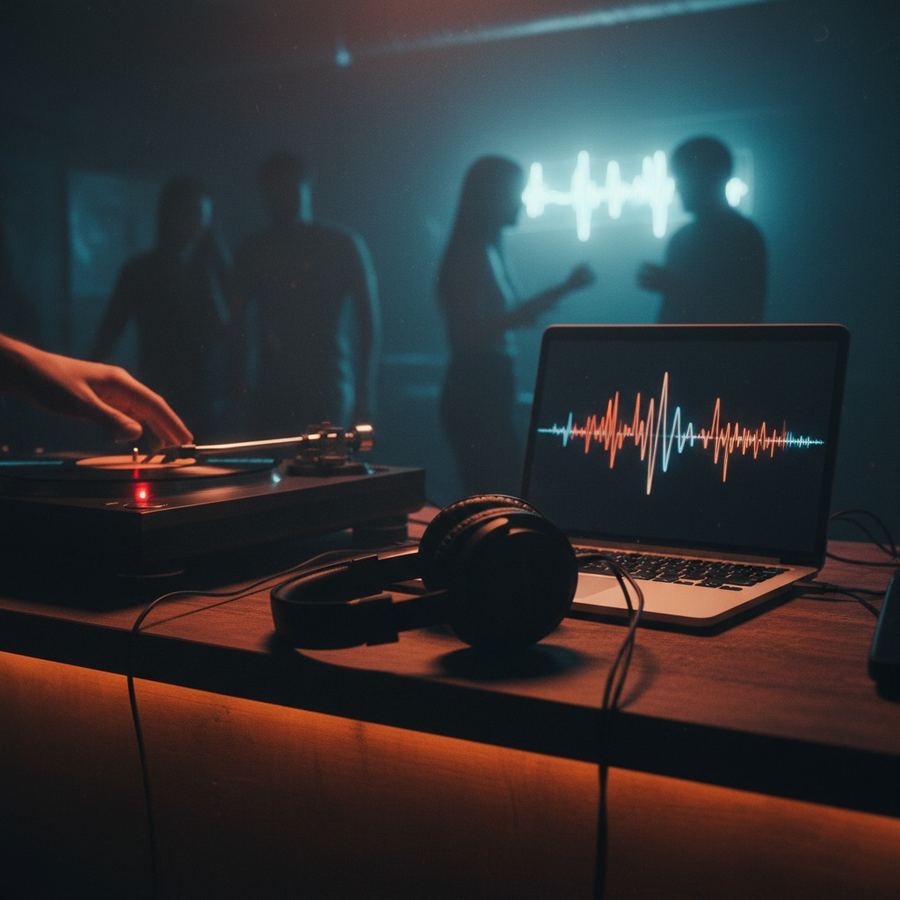
A DJ session that works for passive listening needs different qualities. The first is pacing. Where a club set might build to its first peak within twenty minutes, a listening session can afford to take an hour. The best mixes for background listening tend to have long, gradual arcs rather than rapid cycles of tension and release. They might start ambient or downtempo and slowly introduce rhythmic elements over thirty or forty minutes, or they might maintain a consistent energy level that rises and falls in gentle waves rather than sharp peaks.
Think of it like the difference between a thriller and a novel that takes its time. Both are valid forms, but they serve different moods. When you are working, cooking, reading, or just existing in your space, you want something that enriches the atmosphere without demanding your attention every four minutes. You want to be able to drift in and out, catching moments of beauty or interest without being yanked out of whatever else you are doing.
Genre range is the second factor. A club set that stays locked in one lane for two hours can work because the physical experience provides variety: the room changes, the crowd shifts, your own energy fluctuates. A listening session does not have those external variables, so the music itself needs to provide more textural diversity. The best listening mixes tend to move between adjacent genres rather than staying rigidly in one. A session that starts with deep house, moves through ambient dub, touches on Balearic, and finishes with slow-motion disco gives you enough variation to stay engaged without creating jarring transitions.
Transitions as Architecture
The way a DJ moves between tracks is always important, but it matters differently for listening versus dancing. In a club context, a hard cut at the right moment can be devastating. The sudden shift in energy, the crowd's gasp, the new track slamming in at full force: these are physical experiences that work because the room absorbs the shock. On headphones, that same hard cut can feel jarring and arbitrary.
For passive listening, long blends tend to work better. When one track gradually dissolves into the next over two or three minutes, the transition itself becomes a musical event. The harmonics interact, rhythms phase in and out of alignment, and new textures emerge from the overlap that exist only in that specific moment of the mix. DJs who are skilled at this kind of blending, people like Sasha in his prime, or Nicolas Jaar in his late-night modes, create mixes where the transitions are as interesting as the tracks themselves.
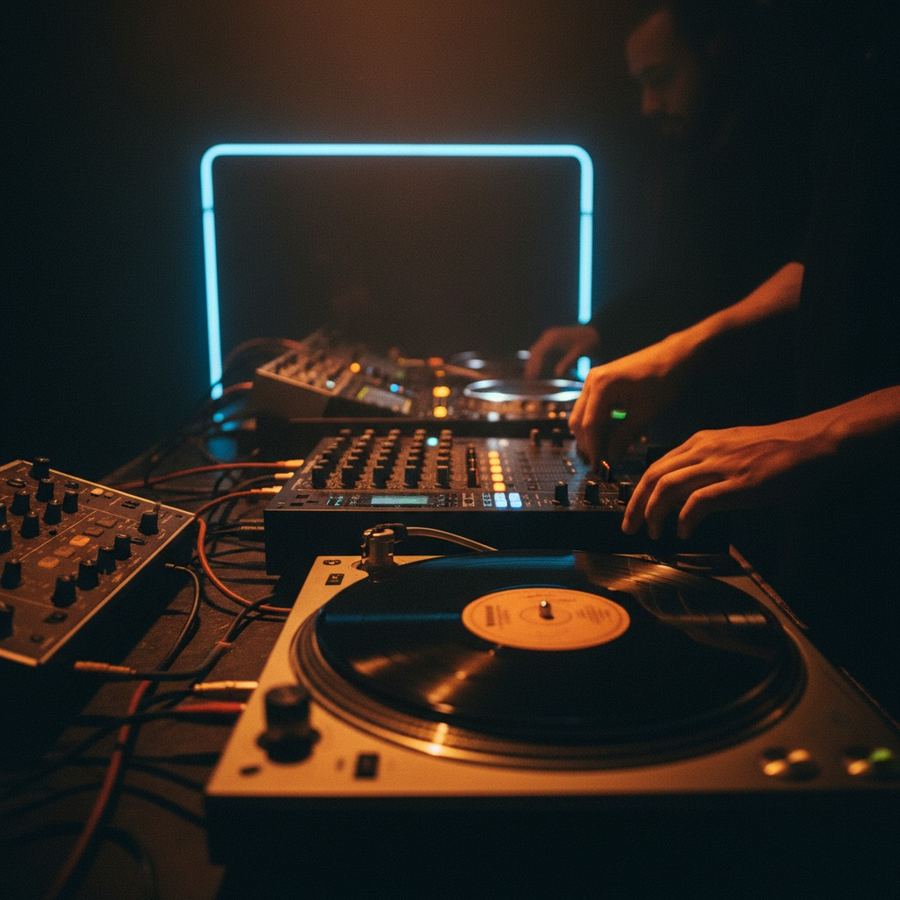
This does not mean that hard cuts have no place in listening sessions. Some of the best radio shows use abrupt transitions as editorial punctuation: this section is over, here is something new, pay attention. Gilles Peterson's shows have always used cuts this way, and so do many of the best NTS presenters. The key is intentionality. A hard cut in a listening context needs to feel like a choice, not a mistake.
The Case for Extended Sets
Some of the best passive listening experiences come from extended DJ sets of six hours or more. A DJ playing that long cannot maintain peak-time energy throughout. They are forced to pace themselves, explore different tempos, and create the kind of long arc that makes for great listening. The first hour might be ambient. Hours two and three build into deeper territory. The fourth hour peaks. The final stretch winds down into something reflective.
Some of the most celebrated sets work precisely because of their length: Ben UFO's regular Hessle Audio shows, Motor City Drum Ensemble's all-day-long sets at Dekmantel, Antal's marathon sessions at Rush Hour records. These are structurally different from two-hour club sets, with a narrative patience that rewards sustained attention.
B2B sets also translate well, particularly when the two DJs have complementary but not identical taste. The conversation between selectors introduces a natural variation that sustains interest over long periods.
Specific Mixes Worth Your Time
If you want concrete examples, start here. DJ Sprinkles' Midtown 120 Blues (2008) is not technically a DJ mix but a producer album structured like one, and its slow, patient exploration of deep house is one of the finest things you can put on at low volume in the afternoon. Four Tet's late-night Rinse FM sets from the mid-2010s moved freely between house, UK garage, ambient, and folk-influenced electronics with a gentleness that made them perfect companions for late-night work sessions.
Lena Willikens' Sentimental Flashback mix for Dekmantel (2017) is a masterclass in genre fluidity, moving from industrial to new wave to acid to EBM across ninety minutes. Hunee's 2017 Boiler Room set demonstrates how genuinely wide-ranging taste can build something that works on a dancefloor and through headphones equally. His willingness to play a soul record next to a techno track next to an African disco edit should feel chaotic, but the emotional throughline is always clear.
Building a Listening Habit
The best way to develop your ear for this is simply to listen. Tune into a stream, put it on in the background, and notice what works. Pay attention to when something catches your ear versus when the music recedes. Both modes are valuable.
Over time, you will learn which DJs program for the room and which program for the headphones. You will notice that some guest mixes feel like they were recorded in a club and some feel like they were recorded for exactly your situation: alone, focused, with music as a companion rather than a destination.
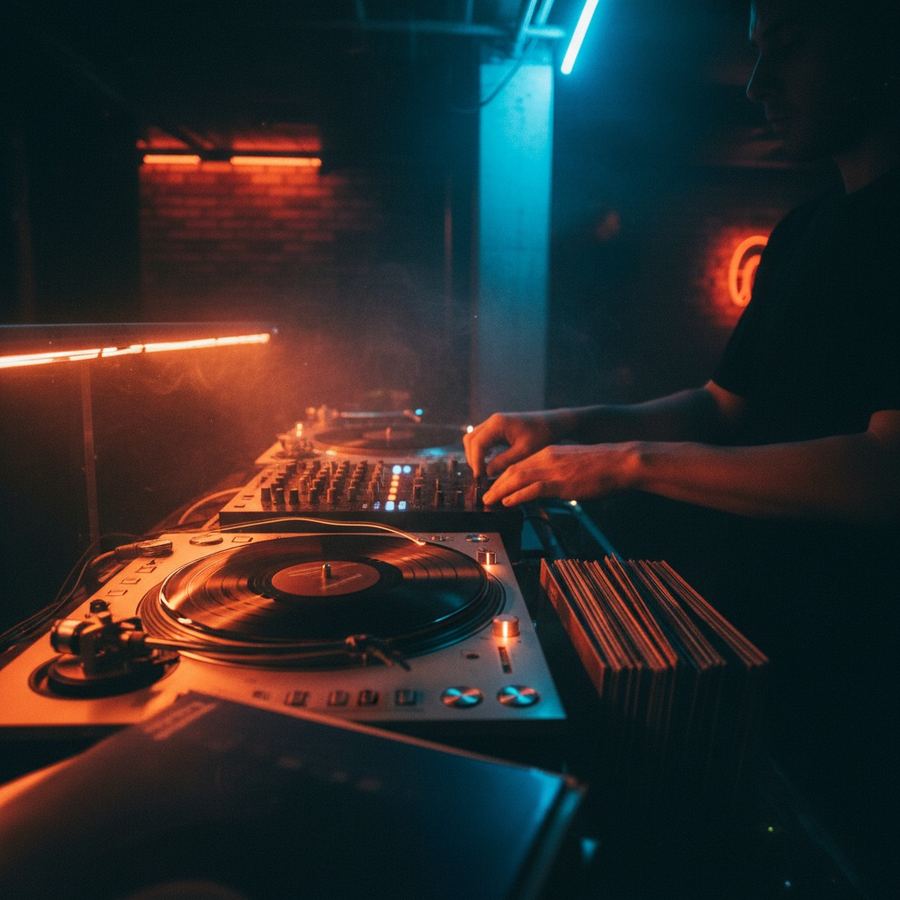
How you listen matters as much as what you listen to. A great mix in the wrong context is just noise. The same mix in the right context can reshape your entire afternoon. Learning to match the music to the moment is a skill, and the features on this site exist partly to help you build it.