There is a certain kind of record that sits between 105 and 120 BPM, built on a live bassline, decorated with strings or a horn section, and driven by a groove that does not rely on repetition to work. It just feels good. That record might have been pressed in 1978 or 2024. It might be an original disco production, a cosmic re-edit, a nu-disco track built on modern equipment with vintage instincts, or a boogie cut that never made it out of a regional pressing plant. On Unchained Radio, all of it lives under the same roof.
This is the warm side of dance music. The side where groove matters more than tempo, where a bassline does the work that a kick drum does in house or techno, and where the connection to funk, soul, and R&B is not a reference point but the actual foundation.
Edit Culture and Its Architects
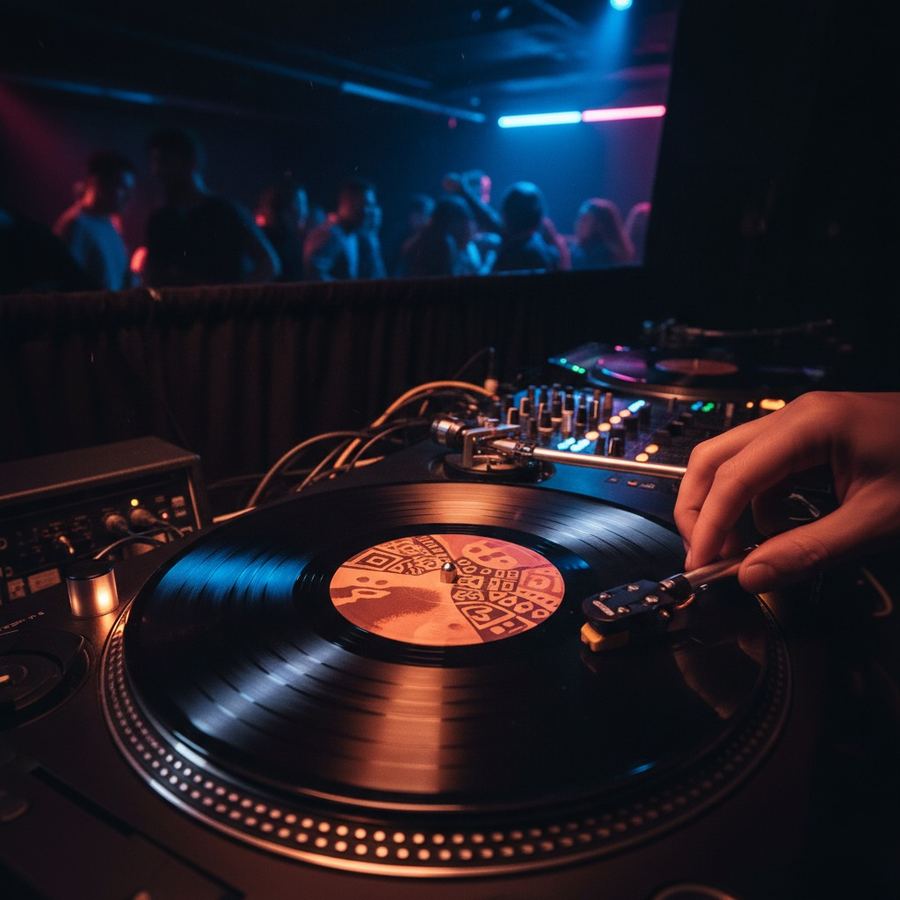
The disco edit is one of the most important tools in dance music, and its history predates the remix as we know it. Take an existing record, restructure it for the dancefloor. Extend the breakdown. Loop the best four bars. Remove the vocal and let the rhythm section breathe. The best edits reveal something in the original that even the original producers may not have heard.
Greg Wilson is one of the key figures. The Manchester-based DJ has spent decades pulling overlooked boogie and electro-funk records into new contexts. His edits are subtle, structural adjustments that serve the floor without disrespecting the source. Danny Krivit, operating out of New York for over four decades, represents the American lineage. His "Edits by Mr. K" series on Most Excellent Unlimited reshaped deep funk and disco cuts with a sensitivity that only comes from years of reading dancefloors in real time.
Tom Moulton, who essentially invented the 12-inch single as a DJ tool, is the foundation. Walter Gibbons, Larry Levan, Tee Scott. These names built the framework that edit culture still rests on.
Nu-Disco and the Scandinavian Wave
In the early 2000s, a cluster of Norwegian producers revived disco's spirit without resorting to nostalgia. Lindstrom, whose 2005 single "I Feel Space" became a defining statement, made productions that were expansive, synthesizer-heavy, and rhythmically loose. Prins Thomas, his frequent collaborator, brought a psychedelic sensibility. Their joint album on Smalltown Supersound remains one of the best documents of that moment.
Todd Terje pushed it further. "Inspector Norse," released in 2012, crossed over in a way that few nu-disco tracks managed, but his album "It's Album Time" showed range well beyond a single hit. The funk foundation is always audible beneath the synthesizers.
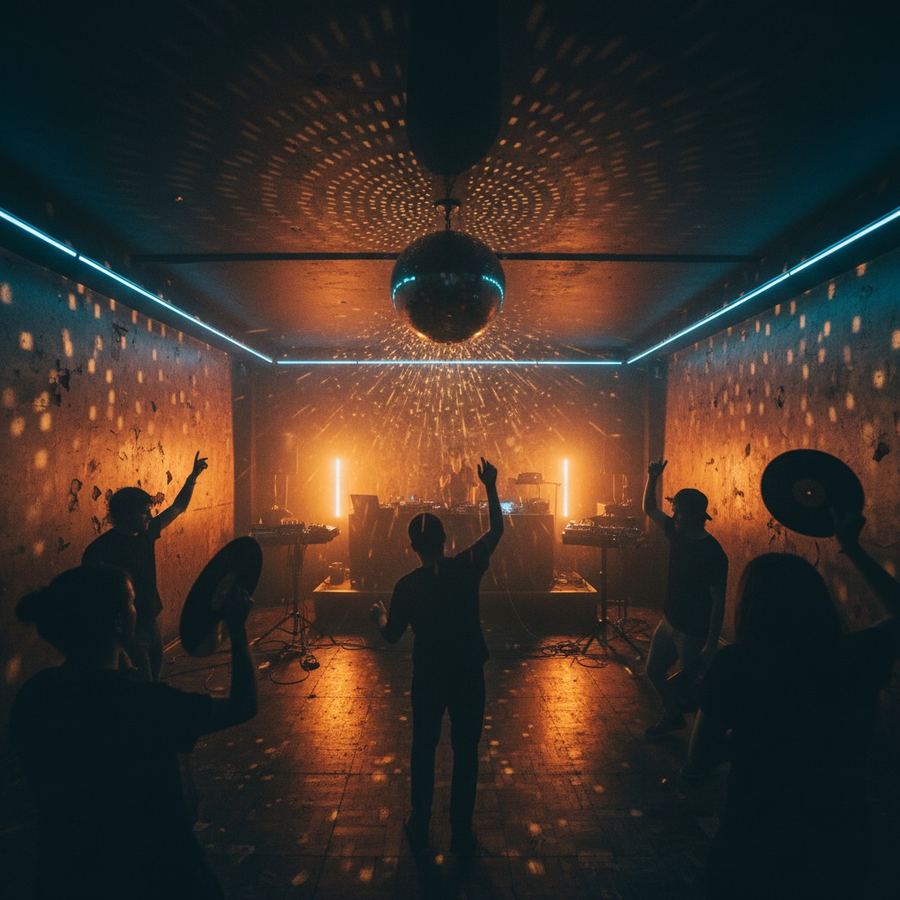
Running Back, the Frankfurt-based label run by Gerd Janson, became one of the most important homes for this music. The roster spans from straightforward house to the weirdest cosmic edits, unified by quality and a respect for groove. Tornado Wallace, Juju and Jordash, and Frank Wiedemann all released through Running Back with a shared commitment to analog warmth.
Boogie, Modern Funk, and the Undiscovered Shelf
Boogie is the genre that fell through the cracks. Sitting between disco, early electro-funk, and R&B, it produced thousands of records between 1980 and 1986, most released on tiny labels and never reprinted. The sound is defined by synth bass, drum machines augmenting live drums, and vocal performances that range from polished to charmingly rough.
Dam-Funk, out of Los Angeles, has been one of the most dedicated advocates for this sound. His "Toeachizown" series is a sprawling statement of intent, connecting vintage boogie and modern funk into a continuous thread. Rahaan, from Chicago, specializes in digging for overlooked boogie and disco records, and his sets are exercises in crate knowledge.
The intersection between boogie, funk, and what we program as house is real and important. Larry Heard was making boogie-influenced deep house. Moodymann's sample sources are soaked in Detroit funk and soul. The line between genres is less a wall and more a gradient, and our programming reflects that. The genre boundaries feature explores these overlaps in more detail.
Why This Music Persists
Funk and disco are older than house. Older than techno. Older than every subgenre that emerged from the electronic music explosion of the last four decades. And yet the records keep working. A good disco edit will move a floor in 2026 just as effectively as it did in 1979. The rhythms are human-scale. The tempos are conversational. The instrumentation is rich in a way that purely electronic production struggles to match.
On Unchained Radio, funk and disco cuts are programmed alongside house and electro because they belong together. The history demands it. If you are looking for entry points, the playlists section includes selections organized by mood and tempo. The mixes archive features long-form disco and funk sessions from guest selectors. And the discovery guide covers strategies for finding records in this territory, from Discogs digging to following the right distributors.
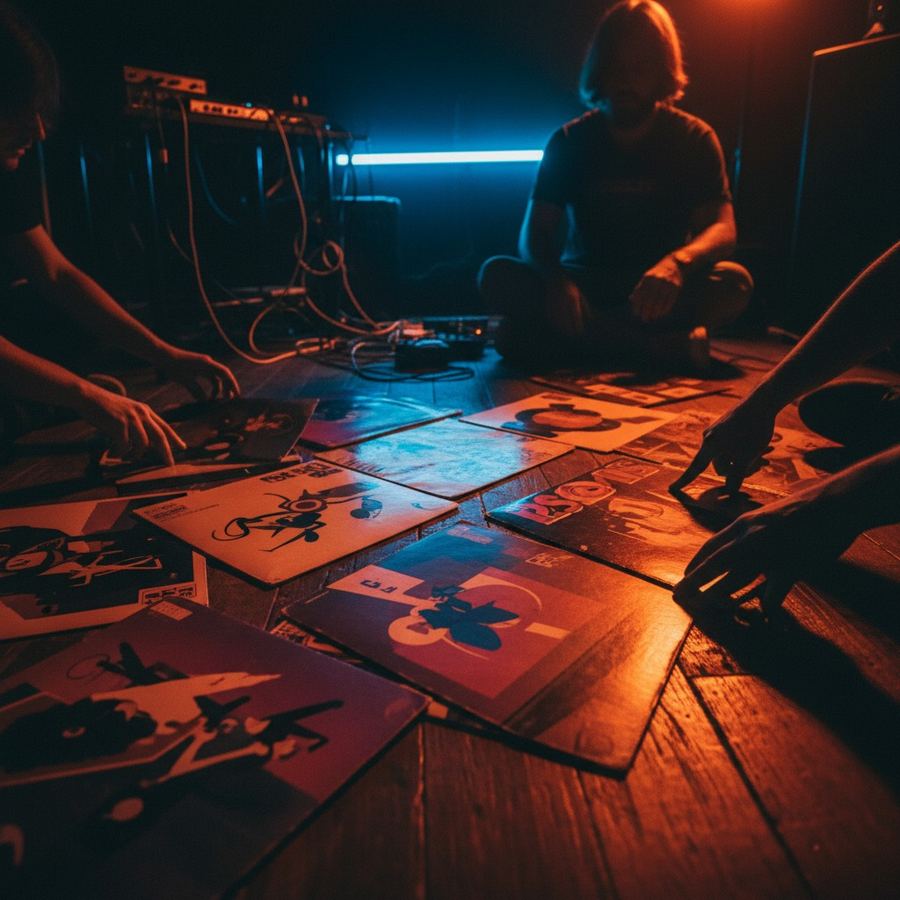
This is music that asks you to move, not to analyze. It is built on groove, warmth, and the irreplaceable sound of musicians playing together in a room. The live stream regularly features funk and disco programming, and our guest mix series has welcomed selectors whose entire practice is built around these records. The groove is always running. All you have to do is find it.